Skip to content
A small town can hold an entire world inside it. Behind the quiet main streets and familiar faces are family histories, unspoken tensions, economic pressures, and traditions passed down without much fanfare. Small town life books understand this. They know that a farmhouse kitchen or a one-stoplight crossroads can carry as much emotional weight as any sprawling city. Readers drawn to stories set in rural America often discover that these narratives are less about geography and more about the people who live within it: how they love, struggle, remember, and hold on to a sense of home even when circumstances shift beneath them.
Why Small-Town Stories Remain Meaningful
There is a reason small-town life books continue to find devoted readers. These stories slow down. They pay attention to details that larger, faster narratives might skip over: the sound of a screen door, the rhythm of a harvest season, the quiet accumulation of years in one place. Stories set in rural America often reward patience, revealing how ordinary routines can carry extraordinary emotional depth. Readers are not looking for spectacle. They are looking for recognition, a sense that their own family struggles or small hometown memories are reflected somewhere on the page.
Community and Belonging
Small communities create a particular kind of closeness. Everyone knows everyone, which can mean support in hard times but also constant scrutiny. Small town life books frequently explore this tension between comfort and exposure, showing how neighbors can be both a lifeline and a source of pressure. Stories set in rural America often center on this delicate balance, portraying communities where a person’s choices are rarely private and where belonging is something both earned and inherited.
Family and Generational Relationships
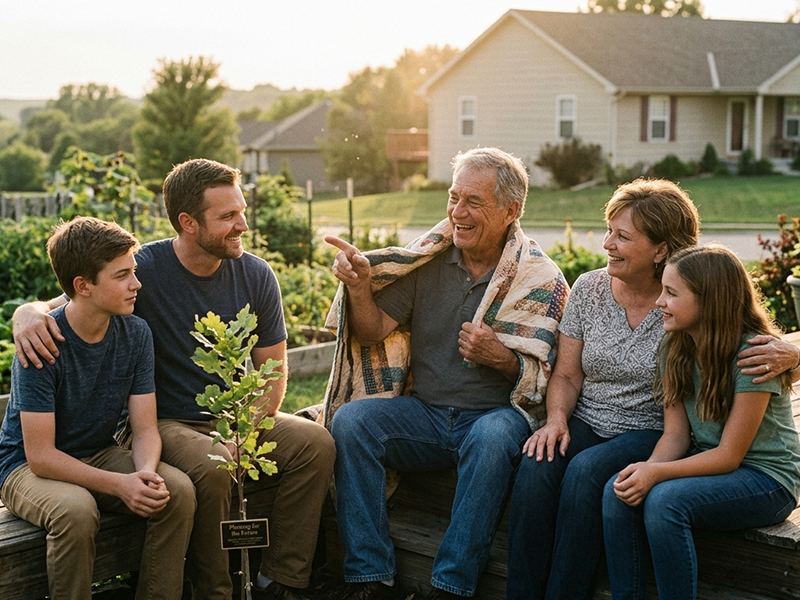
Family sits at the center of most rural narratives. Parents pass down expectations, sometimes unspoken, about work, land, and how life should be lived. Children grow up watching their parents navigate hardship or ambition, absorbing lessons long before they understand them fully. Small town life books often use family as the lens through which larger themes unfold: sacrifice, disappointment, loyalty, and love that persists despite friction. In many stories set in rural America, generational relationships become the true plot, more significant than any single dramatic event.
Hardship and Resilience
Rural life is rarely presented as easy in honest literature, and it shouldn’t be. Financial strain, unpredictable weather, physical labor, and uncertain futures are recurring realities in many small-town life books. What distinguishes these stories is not the hardship itself but how characters respond to it. Resilience, quiet and unglamorous, becomes a defining trait. Stories set in rural America often show sacrifice not as a singular heroic act but as a daily practice, repeated without complaint because there is simply no alternative.
Childhood and Memory
Childhood in a small town often becomes mythic in memory, even when the reality was complicated. A treehouse, a dirt road, a harsh winter survived; these details can grow into lasting emotional landmarks. Small town life books frequently rely on a child’s perspective to capture both the wonder and confusion of growing up in a place shaped by adult decisions the child cannot control. This vantage point allows stories set in rural America to hold both innocence and honesty at once, letting readers see hardship through eyes that do not yet fully understand it, which often makes it more affecting.
Identity and Personal Growth
Growing up in a small community shapes a person’s sense of self in ways that can take years to recognize. Independence often develops early, born out of necessity rather than choice. Ambition can feel complicated when it means leaving behind the only place a person has known. Small town life books frequently trace this tension, following characters as they define themselves against, or because of, the community that raised them. Stories set in rural America often ask what it means to carry a hometown forward even after physically leaving it.
Small Town Life Books and Stories Set in Rural America
The following titles reflect the emotional range found in the best small town life books, from quiet memoirs to fiction rooted in specific American landscapes.
The Lower Road
By Robert P. Smith
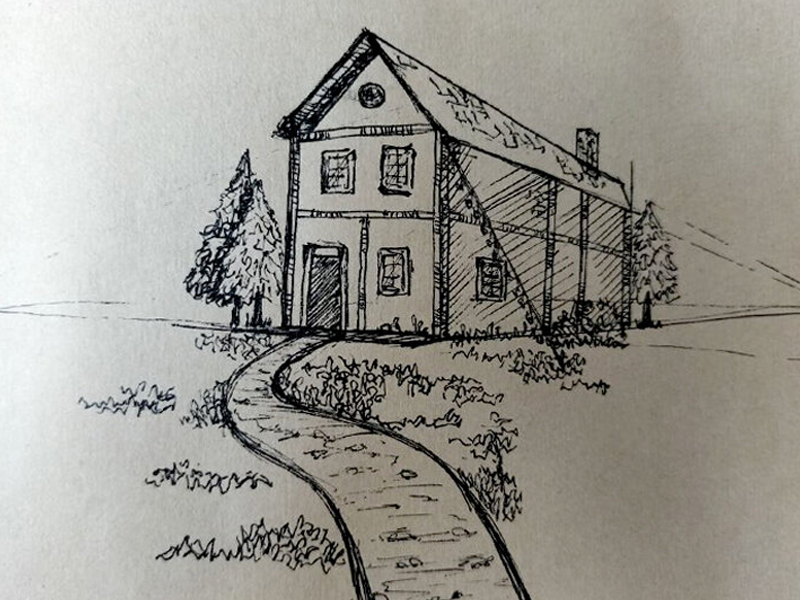
After World War II, a Brooklyn family relocates to a bare-bones farmhouse in rural New York, chasing self-reliance without plumbing or heat. Seen through a young boy’s eyes, this memoir traces hardship, sibling adventure, a mother’s steady strength, and a marriage slowly coming undone.
This memoir belongs at the center of any discussion about small-town life books, since it captures rural hardship not as tragedy but as lived, textured experience. The child narrator’s perspective gives readers both humor and heartbreak, and the mother’s quiet endurance becomes the emotional anchor of the story. Readers interested in stories set in rural America will recognize the way survival and family loyalty intertwine here, offered without sentimentality but with genuine warmth.
A Tree Grows in Brooklyn
By Betty Smith
Although set in an urban neighborhood rather than a rural one, this coming-of-age classic shares the same emotional foundation found in many small-town life books: a close community, financial hardship, and a young girl’s determination to build a better future. Its focus on resilience and family bonds echoes themes common to stories set in rural America, even within a city setting.
My Ántonia
By Willa Cather
Set on the Nebraska prairie, this novel follows immigrant families building lives on difficult, unfamiliar land. Cather’s portrayal of rural community, friendship, and the passage of seasons has made it a defining example of stories set in rural America. It remains essential reading for anyone drawn to small-town life books rooted in landscape and memory.
Winesburg, Ohio
By Sherwood Anderson
This collection of interconnected stories examines the private lives of residents in a small Midwestern town, revealing loneliness, longing, and quiet desperation beneath ordinary routines. It is often cited among small town life books for its unflinching look at how community can both connect and isolate people, offering an early template for many later stories set in rural America.
Why Readers Connect With These Stories
Readers turn to small town life books because they offer intimacy without pretense. These narratives do not require dramatic plot twists to hold attention; they rely instead on honest observation of family, community, and change. Stories set in rural America give readers insight into regional culture, economic realities, and the quiet responsibilities that come with belonging to a small community. They can evoke nostalgia while still acknowledging discomfort, refusing to present rural life as either idyllic or purely difficult. This balance is part of what makes the genre feel trustworthy rather than romanticized.
Conclusion
Small town life books remind readers that meaningful literature does not require grand settings. A farmhouse kitchen, a dirt road, a single winter survived together can hold as much emotional truth as any sweeping saga. Stories set in rural America return again and again to the same enduring subjects: family, hardship, memory, and the complicated pull of home. Whether through a memoir like The Lower Road or the fictional towns of Cather and Anderson, these stories prove that the heart of America often beats quietest in its smallest places, and that is precisely where its most honest stories are found.