Skip to content
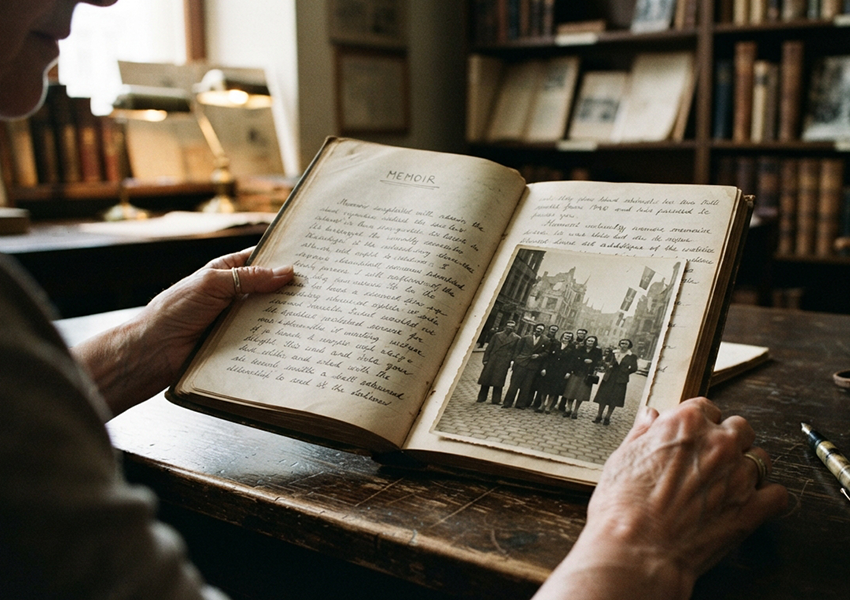
A family’s move from a city apartment to a country house can reveal a great deal about a decade. Housing, work, money, and ideas about a good life all leave marks on ordinary households. That is the appeal of historical memoirs: national history as one person lived it, one kitchen and one road at a time. Readers who browse historical memoirs nonfiction often want that closeness, and Rob Smith’s The Lower Road: A Memoir of Falling Forward offers a clear example from postwar New York.
What Makes Historical Memoirs Different?
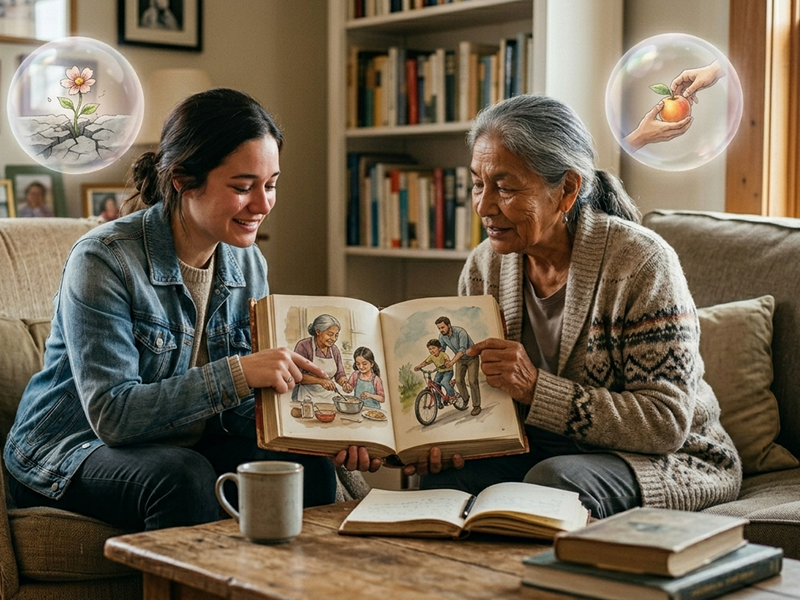
A conventional history surveys events, patterns, and evidence across a wide field. A memoir offers one person’s memory of family routines, community life, money worries, social attitudes, and generational outlooks. Historical memoirs preserve details that broader accounts often leave out.
Memory has limits, however. A memoir reflects the author’s experience and recollection; it is not a complete or objective record of a nation. Its value lies in complementing academic histories and other sources by showing how large conditions felt inside a household.
Personal Experience as a Window Into National History
Individual stories can echo larger circumstances: changing family life, relocation, economic conditions, housing, rural development, community ties, and generational differences. A family’s move may connect to wider patterns of its era, but one story cannot prove them. The sections below separate general context from what the featured book itself establishes.
The Lower Road: A Memoir of Falling Forward
By Rob Smith
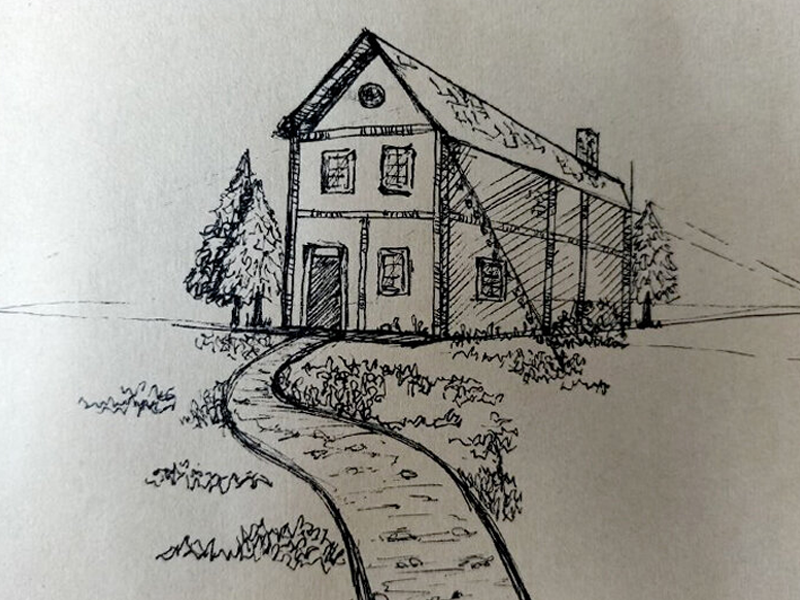
Rob Smith’s The Lower Road: A Memoir of Falling Forward traces a postwar family’s move from a Brooklyn apartment to a neglected farmhouse in rural Pond Eddy, New York. A boy’s-eye view shows hardship, family strain, and a mother’s resilience.
Postwar America
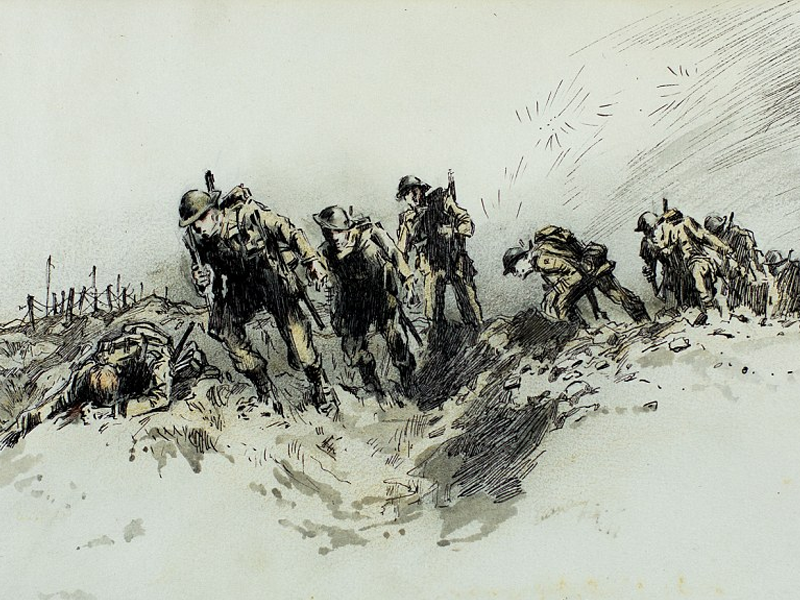
The family’s move comes in the wake of World War II, which places the story in a recognizable period of American life. According to the book’s description, the father was chasing self-reliance and a better life; nothing further about his motives is supplied, so none are guessed at here. Among historical memoirs nonfiction, that restraint matters: the memoir shows one household’s hopes, not the whole era’s.
From Brooklyn to Rural New York
The contrast is concrete: a Brooklyn apartment on one side, a Pond Eddy farmhouse with no plumbing and no heat on the other. The book also recalls country pleasures such as secret treehouses, along with snakes and icy winters. It is one family’s urban-to-rural story, not a general claim about how others lived.
Childhood Perspective
Told through a young boy’s eyes, changes arrive as lived events rather than background. A child’s view can make a period feel immediate, though the book’s framing suggests the narrator was not the one making the major decisions.
Family Change
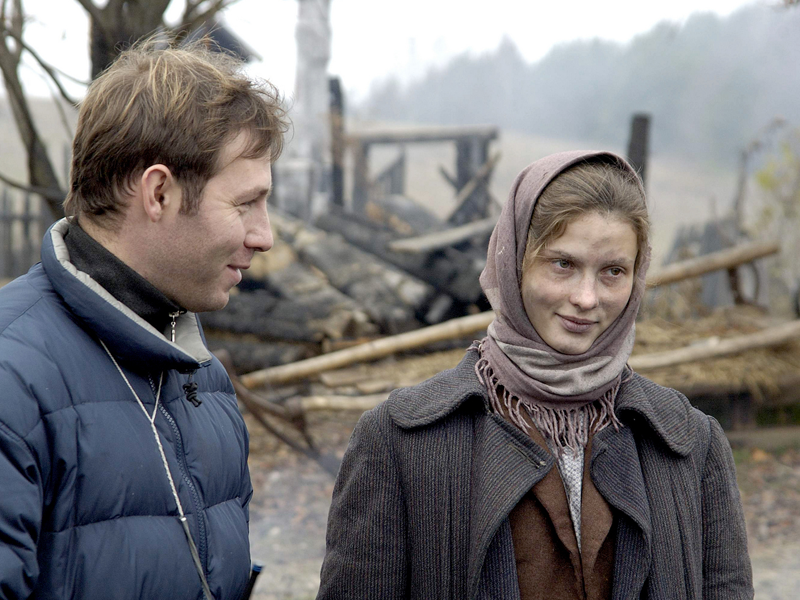
The memoir also follows the slow unraveling of a marriage, along with uncertainty and sacrifice. A mother’s quiet strength and fierce love guide the family through change, as the description presents it. Family pressures like these show where the historical memoir nonfiction category earns its place: the personal side of a national period.
How Memoir Makes National History Personal
Personal narratives make a period easier to grasp through homes, food, work, family relationships, neighborhoods, seasons, childhood games, money limits, and daily chores. A house without heat tells readers something a summary cannot. These details matter because they show lived experience, not because one story represents everyone. Historical memoirs are best read as one voice among many. That is why historical memoirs nonfiction can make unfamiliar decades approachable.
More Memoirs Where Personal and National History Meet
A reading list of historical memoirs nonfiction might also include these titles, each tied to an identifiable period.
Black Boy
Author: Richard Wright
Richard Wright recounts his childhood and youth in the Jim Crow South, marked by hunger, family hardship, and racial restriction. The memoir ties one young man’s experience to a segregated society, which makes it valuable for readers of American social history.
The Glass Castle
Author: Jeannette Walls
Jeannette Walls describes a childhood shaped by her parents’ unconventional choices and frequent moves, including time in rural West Virginia. Set mainly in the 1960s and 1970s, it links family life to poverty and social class in America.
Angela’s Ashes
Author: Frank McCourt
Frank McCourt recalls an impoverished childhood that began in Brooklyn and unfolded mostly in Limerick, Ireland, during the 1930s and 1940s. The memoir connects family hardship to broader economic conditions and emigration, and its Brooklyn roots offer a point of comparison with Smith’s story.
Why Readers Turn to Memoir for History
Memoir adds personal perspective, preserves family memories, shows everyday life, and can encourage empathy. It also raises questions about how people remember the past. It is not automatically more accurate than academic history; it is a different form of historical perspective. Readers building a historical memoirs nonfiction shelf can pair memoirs with traditional histories for balance.
Why This Matters When Reading Historical Memoirs
A memoir is both a personal account and a historical source that reflects one perspective. Readers get more from it by understanding its context, separating memory from independently documented history, and considering what the author could and could not have known. When researching major events, compare the memoir with reliable historical sources. At the same time, personal experience can reveal details broad summaries miss, such as what a winter felt like in a house without heat.
This article is an editorial overview, not an academic assessment, and its statements about The Lower Road rest only on the supplied description. Treating historical memoirs as personal testimony keeps expectations realistic. Used carefully, historical memoirs nonfiction becomes a lens, not a verdict.
A Practical Takeaway for Readers
The Lower Road shows how a national period can arrive through one family’s move, a cold farmhouse, and a mother’s steady presence. When choosing historical memoirs, look for a clear time and place, an honest narrator, and concrete daily detail, then read alongside broader history. Pairing the two is how historical memoirs nonfiction best serves readers: personal memory gives the past a face, and documented history keeps that face in proportion.
I am running a few minutes late; my previous meeting is running over.