Skip to content
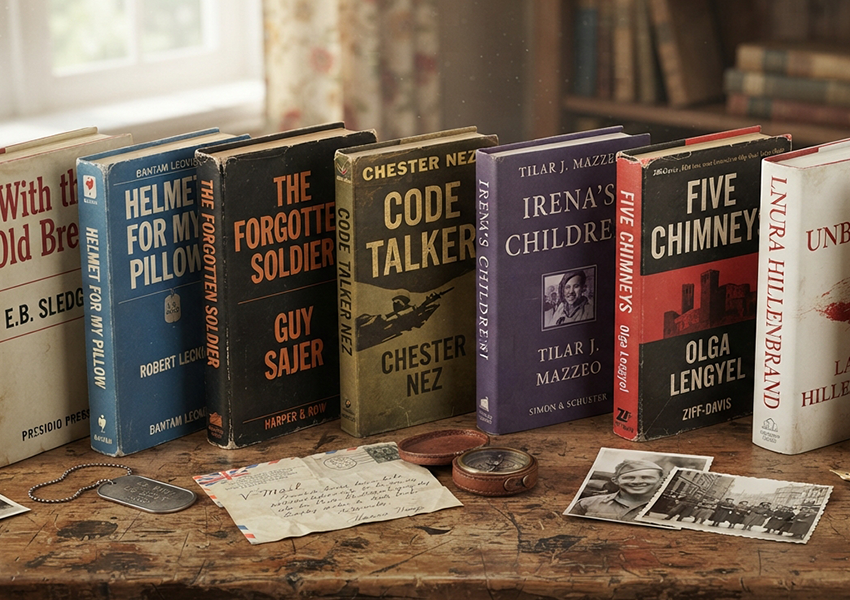
Ask someone what they remember from a high school history unit on World War II, and you will likely get a date, a battle name, maybe a treaty. Ask someone what they remember from a memoir written by someone who lived through it, and the answer changes completely. They will tell you about a smell, a specific fear, a small kindness that made a terrible year survivable. That difference is exactly why World War II memoirs matter. They do not replace formal history. They fill in what formal history leaves out: the texture of a single life caught inside an enormous event, told in real voices from wartime history rather than summarized from a distance.
Why Personal Accounts Reach Readers Differently
A textbook can tell you how many soldiers landed on a given beach or how a rationing system worked. It rarely tells you what it felt like to wait for a letter that never came, or to ration flour while raising children alone. Personal wartime accounts fill that gap because they are written from inside the experience rather than about it. A soldier describing his own hands shaking is a different kind of information than a casualty count. This is part of why World War II memoirs continue to sell decades after the war ended: readers are not looking for more facts. They are looking for real voices from wartime history that make those facts feel like something that happened to actual people.
There is also a practical reason real voices from wartime history hold up so well over time. A statistic can be revised as new records surface, but a person’s memory of one specific morning does not age the same way.
What Makes World War II Memoirs Worth Reading
Not every account of the war holds up equally well on the page. The strongest World War II memoirs share a few qualities: they are specific rather than general, naming the actual road, the actual ration book, the actual neighbor. They resist the urge to explain every emotion and let small details carry the weight instead. And they stay honest about confusion, boredom, and fear rather than smoothing the story into something tidier than it actually was. These qualities separate genuine firsthand war narratives from accounts polished into something closer to legend.
Stories From Both the Front Lines and the Home Front
Some of the strongest World War II memoirs were not written by soldiers at all. Families who stayed behind, children who were relocated, and survivors who rebuilt their lives afterward all carried their own version of the war. A memoir about postwar resettlement in rural America and a memoir about surviving a concentration camp are telling very different stories, yet both qualify as real voices from wartime history because both come from someone who lived the aftermath firsthand rather than reading about it later. Reading across these different vantage points, front lines and home front alike, gives a fuller picture than any single account could on its own.
This is also where World War II memoirs tend to surprise readers who assume the genre is only about combat. A quiet memoir about rebuilding a household after the war can carry just as much weight as a battlefield account, simply because both preserve real voices from wartime history describing what survival actually required once the fighting itself was over.
Why This Kind of Reading Matters
Memoir is a specific craft, and the ones that hold up share a certain restraint. A writer describing real trauma does not need dramatic language, because the plain facts already carry weight. What separates a trustworthy account from an exaggerated one is consistency: details that match across chapters, reactions that feel earned rather than inserted for effect, and a narrator who admits what they did not understand at the time. Readers drawn to World War II memoirs develop a good ear for this kind of honesty, and it is worth noticing, since the accounts that respect the reader’s intelligence are usually the ones that stay with you longest.
A Reading List of Real Wartime Stories
The book below opens this list: a story rooted in the years just after the war, told through a child’s honest, unfiltered point of view.
THE LOWER ROAD: A MEMOIR OF FALLING FORWARD
Author: Rob Smith
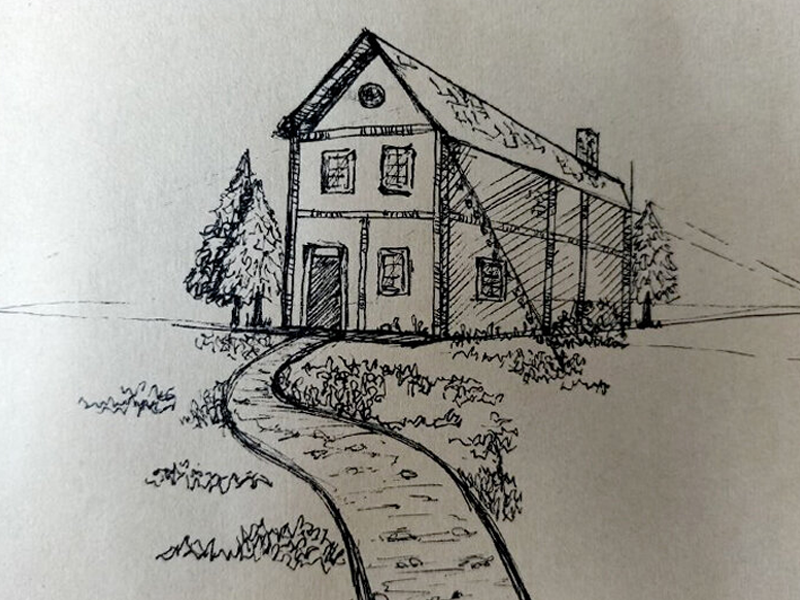
In the years following World War II, a Brooklyn family relocates to a rundown farmhouse in rural New York, chasing a fresh start and self-reliance. Narrated through a boy’s eyes, the memoir traces hardship, family strain, and a mother’s quiet resilience with humor and honesty.
Night
Author: Elie Wiesel
This memoir recounts the author’s experience as a teenager in the Auschwitz and Buchenwald concentration camps, describing the loss of his family and his own difficult struggle to hold onto faith and identity under conditions of extreme cruelty and deprivation.
Survival in Auschwitz
Author: Primo Levi
Levi, an Italian chemist deported for being Jewish, recounts his eleven months imprisoned at Auschwitz, describing the daily mechanics of survival, the slow erosion of identity under the camp system, and the small acts of humanity that persisted even there.
With the Old Breed: At Peleliu and Okinawa
Author: E.B. Sledge
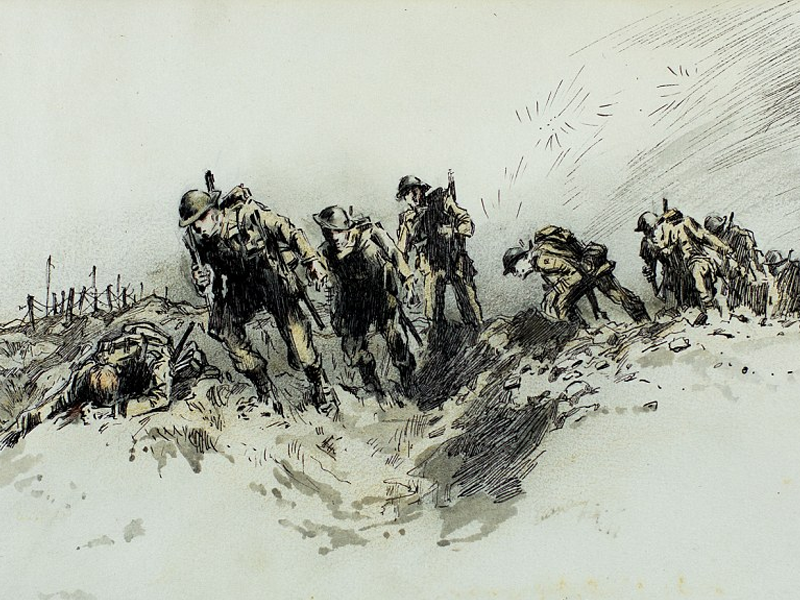
A Marine’s firsthand account of infantry combat in the Pacific theater, covering the brutal battles of Peleliu and Okinawa. Sledge details the harsh physical conditions, the psychological toll of prolonged combat, and the close bonds formed among his fellow Marines.
All But My Life
Author: Gerda Weissmann Klein
Klein recounts her teenage years under Nazi occupation in Poland, including forced labor camps and a lengthy, brutal death march near the war’s end, along with her eventual liberation in Western Europe and the slow rebuilding of her life afterward.
Choosing among these depends on the kind of firsthand war narrative you want. Some readers want the intensity of a combat memoir. Others want a quieter account of a family finding its footing once the fighting had ended, another example of real voices from wartime history doing quiet, steady work. Both belong on the same shelf.
Closing Thoughts on Reading the War Through Real Lives
Formal history will always matter, but it rarely lingers the way a specific, honestly told story does. World War II memoirs endure because they hand the reader something a textbook cannot: a single, credible point of view on an event too large for any one account to fully capture. Seeking out real voices from wartime history means accepting that the war looked different from every doorway it touched, and that each of those doorways still has something worth telling.
If you are building a reading list, resist the urge to pick only one kind of story. Reading World War II memoirs from a soldier, a survivor, and a family simply trying to start over will teach you more than any single account could manage on its own, because each one supplies real voices from wartime history that the others cannot. Start with one memoir, let it lead you to another, and the picture will keep getting more honest with each one you read.