Skip to content

Ask someone where they’re really from, and the answer rarely starts with a state on a map. It usually starts with a grandmother’s kitchen, a farmhouse with no heat, a town that emptied out after the mill closed, a language spoken at home and left at the door of a classroom. That’s the territory American heritage books cover best: not the version of history printed in a textbook, but the version carried at kitchen tables and half remembered at funerals. American heritage books open a door most of us have wondered about but rarely walk through on our own, and books about American history and roots keep finding new readers for exactly that reason.
They don’t ask us to memorize dates. They ask us to sit with a family, in a specific place, at a specific moment, and notice how ordinary people got through it. For anyone drawn to books about American history and roots, that close-up view is the whole appeal.
What Makes Heritage-Focused Books Meaningful
Big historical events get remembered in outline: a war ends, a law passes, a migration happens. What gets lost is the texture, the part that only shows up when someone tells you what it actually felt like to live through it. A mother stretching one week’s groceries into two. A father starting over in a place nobody in the family had ever heard of. A kid figuring out, slowly, that the way his family did things wasn’t the only way to do them, and that both ways were still worth keeping.
This is where American heritage books earn their keep. They take the private, unglamorous parts of a life, the parts that never make a headline, and treat them as worth remembering. Hardship shows up often, but so does humor. Resilience shows up too, though rarely as a lesson. More often, it’s just something a family did, one winter and one hard year at a time, because there wasn’t another option.
Stories That Keep Family History Alive
Family memory is fragile. It lives in a handful of people, and once they’re gone, so is most of what they knew, unless someone writes it down. That’s the quiet job books about American history and roots do that formal history often can’t: they preserve the small, specific details that never make it into an archive. What a house smelled like. What a father said once and never explained; how a family kept going after a plan fell apart.
Rural life and city life both show up in this kind of writing, along with the in-between: a family that moved from a crowded apartment to a rundown farmhouse, or one that left a small town for a city and never quite felt at home in either. American heritage books don’t smooth these stories into something tidier than they were. The good ones leave the rough edges in, because the rough edges are usually where the truth is, and it’s one more reason books about American history and roots tend to hold up better than trend-driven reading lists.
Books That Connect Generations
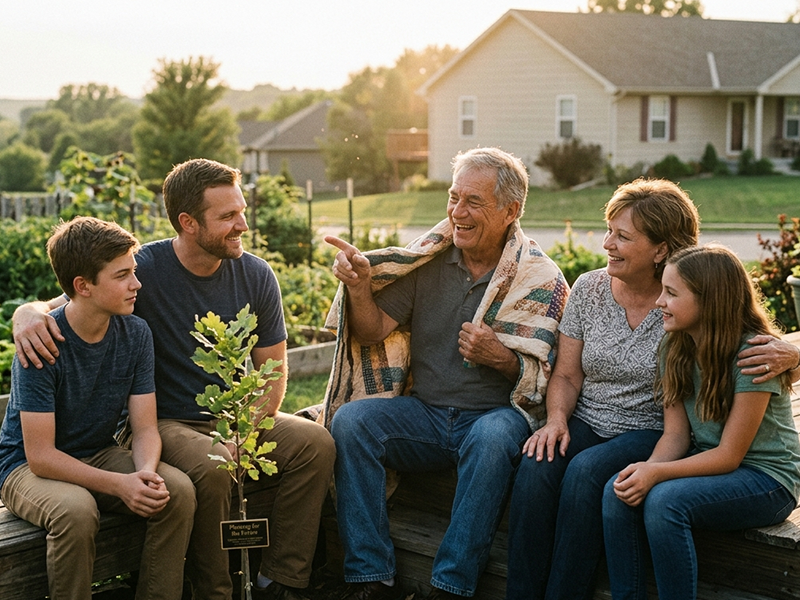
Reading someone else’s family story has a strange effect: it tends to send readers back to their own. A detail about a hard winter, a parent’s stubborn pride, or a childhood spent watching adults worry about money will remind a reader of something in their own family they’d half forgotten. That’s part of what makes American heritage books worth recommending, not just to readers of history, but to anyone curious about where their own family fits into the wider American story. Reading books about American history and roots together, as a family, can turn into its own small tradition.
American Heritage Books to Add to Your Reading List
- The Lower Road
By Robert P. Smith
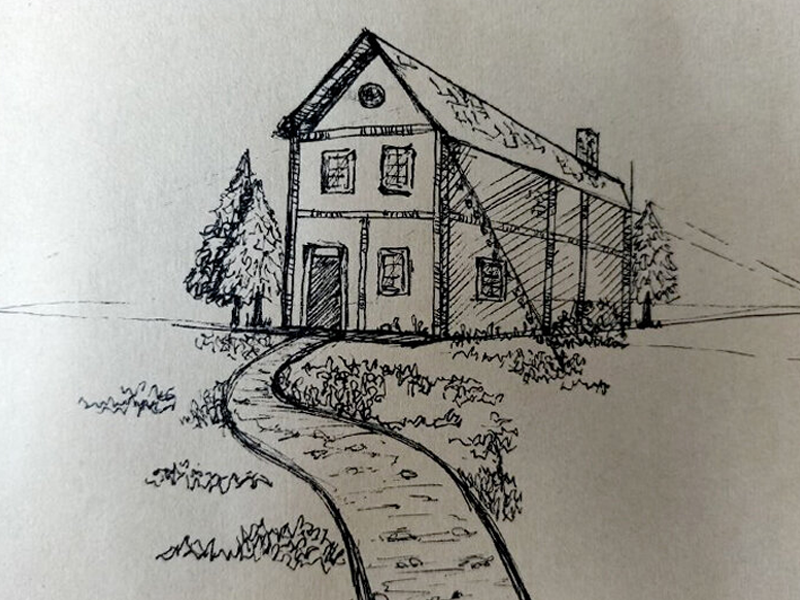
Robert P. Smith recalls his family’s move from a Brooklyn apartment to a bare Pond Eddy farmhouse chasing self-reliance, without heat, plumbing, or certainty ahead. Seen through a boy’s eyes, it’s a funny, honest memoir about brutal winters, family strain, and a mother’s steadying strength.
- The Glass Castle
By Jeannette Walls
Jeannette Walls recounts a childhood shaped by her parents’ restless moves across the American West and Appalachia, marked by poverty and reinvention. The memoir traces family loyalty through chaos and how an unconventional upbringing still shapes who a person becomes.
- The Warmth of Other Suns
By Isabel Wilkerson
Isabel Wilkerson follows three families who left the Jim Crow South during the Great Migration, tracing how their choices reshaped American cities and family lines. It’s a sweeping account of movement, hope, and the everyday decisions behind a historical shift.
- Educated
By Tara Westover
Tara Westover grew up in rural Idaho without formal schooling, in a family shaped by isolation and hard belief. Her memoir follows her path from that upbringing toward a university education, and the complicated cost of leaving a family behind.
- Little House on the Prairie
By Laura Ingalls Wilder
Laura Ingalls Wilder drew on her own pioneer childhood for the story of a family building a life on the American frontier. Hard winters, scarce food, and constant change shaped how this family carried on and made a lasting home.
- Roots: The Saga of an American Family
By Alex Haley
Alex Haley traces his family’s story across generations, from an ancestor brought from Africa through slavery to his own American childhood. The multigenerational saga helped popularize genealogy as a way for American families to reconnect with roots long left unspoken.
Why These Stories Matter
None of these books were written to teach a lesson. That’s part of why they hold up. A memoir about a cold farmhouse or a family’s move north isn’t making an argument; it’s just telling the truth about a specific life, and trusting that the truth is enough. That trust is what separates real books about American history and roots from anything written to sound impressive.
This is the real value of books about American history and roots: they show families making do, not making history. Reading enough of them, a pattern starts to show. Families adapt. They lose things and find new footing. They pass down habits and silences in equal measure, and grown children spend years sorting out which parts were ever theirs to keep. American heritage books don’t resolve that sorting for a reader. They just make good company while it happens.
Where We Come From Is Still Being Written
Every family carries a version of these stories, whether or not anyone has written them down yet. Reading American heritage books is one way to notice what’s worth asking the people still around to tell you before that chance passes. That’s the quiet promise behind every one of these books about American history and roots: understanding rarely arrives all at once, but story by story, it adds up. Understanding where a family came from doesn’t hand anyone a tidy answer about who they are. It just gives the question better company, and that’s usually enough to start with.